
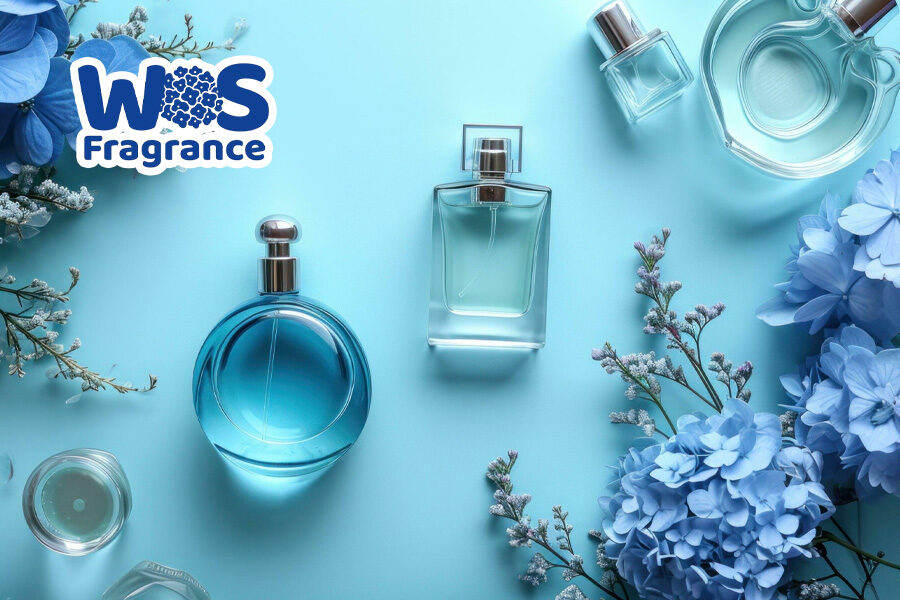
Choosing a Perfume to Suit Your Personality
Perfume is a language without words. It communicates who you are even before you introduce yourself. A scent can shape first impressions, influence your mood, and enhance your character. That’s why choosing a perfume isn’t just about what smells good—it’s about what truly reflects your personality.
But choosing the right perfume can be challenging. With hundreds of brands, scent types, and fragrance families, you need to understand the basics before making a choice. This guide will help you explore how to choose a perfume that aligns with your personality.
1. Understanding the Structure and Families of Fragrances
To choose the right perfume, it’s important to know the major fragrance families—the foundational groups that define a perfume’s character.
a. Floral
The largest and most classic fragrance family.
-
Examples: rose, jasmine, magnolia, lily of the valley.
-
Impression: feminine, soft, romantic.
-
Suitable for: warm, sentimental, sensitive, elegant personalities.
Floral fragrances aren’t only for women; blended florals with musk or wood can suit modern unisex or masculine profiles.
b. Fresh
Light, energetic, and refreshing.
-
Examples: citrus (lemon, bergamot), green notes, aquatic notes.
-
Impression: clean, sporty, bright, youthful.
-
Suitable for: active, simple, cheerful personalities.
c. Oriental / Amber
Warm, sensual, and exotic.
-
Examples: vanilla, amber, spices, resins.
-
Impression: mysterious, luxurious, bold.
-
Suitable for: confident, charismatic individuals who want to leave a strong impression.
d. Woody
Earthy and grounding scents.
-
Examples: sandalwood, cedarwood, vetiver, patchouli.
-
Impression: mature, premium, calming.
-
Suitable for: calm, intellectual, firm, and grounded personalities.
e. Gourmand
Scents inspired by sweet foods.
-
Examples: caramel, coffee, chocolate, almond.
-
Impression: warm, playful, alluring.
-
Suitable for: lively, creative, and extroverted personalities.
f. Fruity
Sweet, juicy, and vibrant.
-
Examples: peach, pear, berries, apple.
-
Impression: youthful, fun, friendly.
-
Suitable for: optimistic and cheerful personalities.
2. Choosing a Fragrance Based on Your Personality Type
Each personality has scent types that complement its natural energy.
• The Extrovert
Energetic, social, expressive.
-
Recommended scents: citrus, fruity, floral–oriental blends.
-
Why: These scents project liveliness and confidence.
• The Introvert
Calm, observant, thoughtful.
-
Recommended scents: soft woody, musk, soft floral.
-
Why: They create an intimate, soothing atmosphere without being overwhelming.
• The Romantic
Sentimental, empathetic, emotionally intuitive.
-
Recommended scents: classic florals like rose and jasmine.
-
Impression: gentle, elegant, comforting.
• The Adventurer
Spontaneous, bold, loves exploring.
-
Recommended scents: fresh aquatic, green notes, herbal.
-
Why: These evoke freedom, energy, and movement.
• The Professional / Perfectionist
Organized, detail-oriented, charismatic.
-
Recommended scents: woody, chypre, leather, floral musky.
-
Impression: polished, reliable, elegant.
• The Creative
Imaginative, expressive, open-minded.
-
Recommended scents: gourmand, unusual blends, complex floral–woody combinations.
-
Impression: unique, intriguing, dynamic.
3. Matching Your Perfume to Mood and Activities
Your personality remains constant, but your activities differ. Choose scents based on the situation:
• Daily use
Choose lighter scents: fresh, soft floral.
• Work
Professional scents: woody, citrus, or light musk.
• Dates
Warm, seductive scents: oriental, amber, soft gourmand.
• Night events
Bold, intense scents: amber, woody oriental, vanilla spicy.
• Sports or outdoor activities
Best choices: citrus, green notes.
4. Understand the Notes: Top, Middle, and Base
A perfume develops in three stages:
-
Top notes: the first scent right after spraying (usually citrus or herbal).
-
Middle notes: the heart of the fragrance, lasting 20–60 minutes (floral or fruity).
-
Base notes: the longest-lasting scent, appearing after the dry down (vanilla, musk, wood).
This is why you shouldn’t judge a perfume right after the first spray—wait for the dry down.
5. Test the Perfume on Your Skin
Everyone has a unique body chemistry.
-
Test the perfume directly on your skin, not on blotter paper.
-
Wait 15–30 minutes for the scent to develop fully.
-
The perfume may turn sweeter or sharper depending on your skin’s pH.
6. Signature Scent or Collection: Which One Are You?
Some people prefer a signature scent—one smell that becomes part of their identity.
Others enjoy having multiple perfumes for different moods.
If you are:
-
Consistent & stable → pick 1–2 perfumes that truly represent you.
-
Expressive & easily bored → build a collection for morning, evening, and special events.
7. Trust Your Intuition
Ultimately, the best perfume is the one that:
-
Makes you feel confident
-
Makes you feel comfortable
-
Feels like “you”
If you smell a fragrance and immediately feel, “This is so me,” that’s the strongest sign you’ve found the right one.
Conclusion
Choosing a perfume that matches your personality is a blend of knowledge and intuition. By understanding scent families, note structures, and how perfumes behave on your skin, you can find a fragrance that truly represents who you are. The right perfume doesn’t just make you smell good—it expresses your energy, your character, and the unique charm that only you possess.